
Weld County continues to dominate state’s oil and gas scene
Celebrating 30 years of Northern Colorado Business Report and BizWest business coverage
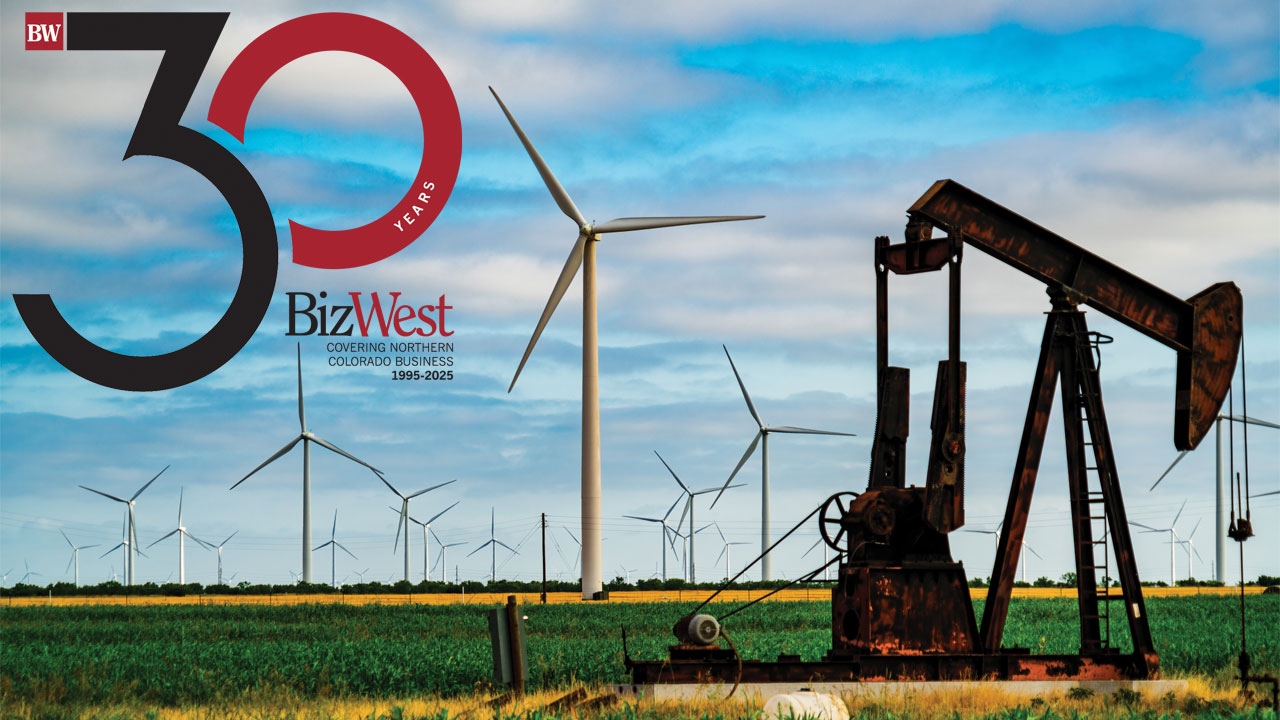
Weld County’s oil and gas production drove Colorado’s ranking as the fourth-largest oil-producing state in the United States, according to July data from the U.S. Energy Information Administration, a federal agency that collects such data.
Weld County produced more than 80% of the state’s oil and gas in 2024, according to the U.S. Energy Information Administration data. Weld County also produced more than 50% of the state’s natural gas, according to the data; and Colorado has the eighth-largest natural-gas reserves in the United States.
Those rankings reflect three decades of growth for the sector in Weld County, led largely by widespread use of hydraulic fracturing, but the industry faces serious challenges.
Oil and gas permit requests have been going down across the state and in Weld County since 2019, said Weld County oil and gas director Brett Cavanagh. State legislators that year passed a law that increased regulatory standards. Among other things, the law changed the mission of the former Colorado Oil and Gas Conservation Commission, now the Energy and Carbon Management Commission, to focus on public health, safety, welfare and the environment.
That year, oil and gas well-permit applications for the state stood at more than 100; in 2025, so far, the number of oil and gas well permit applications in Colorado is at 21, Cavanagh said.
“Our production continues to go down, our permits continue to go down, and we have to figure out something,” Cavanagh told BizWest recently.
In response, Weld County officials have worked to streamline the permitting process for companies working in the county, a code that went into effect Oct. 1. They’re also working with smaller communities in the county and have signed intergovernmental agreements with Ault, Evans and Severance to help with the oil and gas permitting processes, Cavanagh said.
The goal is to make the industry sustainable in Weld County, he said, pointing to the tax revenues the industry brings in for roads and other infrastructure, schools and other public amenities.
At the same time, residents can sign up to get more notifications about oil and gas wells that may be near their properties. And state-required air-monitoring processes make sure that the oil and gas industry meets public health standards.
“The oil and gas industry is one of the most-regulated industries in Colorado,” Cavanagh said. “In Weld County, we care about our residents. We have implemented the air monitoring; (and) we want to make sure we’re not just talking, we’re taking action.”
In a look to the future, Weld County, state officials and industry leaders are set to meet at a regulatory summit in November to discuss if there are other ways to improve processes for all properties involved, Cavanagh said.
The regulatory discussion comes as those in both industry and government look back to April, when Chevron Corp. faced a five-day blowout on the Bishop Well in Galeton in rural Weld County, which sent oil, water and other fluids into the air.
Fracking spurs surge in production
A look back at the energy industry of 2000 to 2020 in Northern Colorado showed big production growth thanks to the advent of fracking here and across the United States.
Fracking is the firing of highly pressurized liquid into bedrock to release oil and gas. While fracking techniques go back to the 1940s, advances in fracking and horizontal drilling made it easier and cheaper to extract fossil fuels in the United States.
Horizontal wells accounted for 2% of the country’s oil production in 2000. By 2015, those wells produced half of the U.S. oil output, according to the U.S. Energy Information Administration.
Data from the former Colorado Oil and Gas Conservation Commission showed that Northern Colorado rode the coattails of the fracking boom.
In the latter half of the 1990s, Weld County’s oil production hovered around 7 million barrels annually. Fracking supercharged growth, doubling Weld County’s output of oil to 14 million barrels between 2001 and 2007.
Drillers kept on drilling, and at the end of 2019, they brought out more than 168.73 million barrels of oil in Weld County, good for a stunning increase of 1,887% over 24 years.
The natural-gas scene didn’t quite achieve the same meteoric growth as oil did in that time period because collection of that resource was higher in the late 1990s, but there was a 646% increase over those 24 years.
Neighboring Larimer County was less keen to allow drilling within its boundaries, and Boulder County has instituted permit application moratoriums over the years.
The onset of the COVID-19 pandemic proved far more destructive to the industry than regulations. With stay-at-home rules in effect for several months, demand for fuel plummeted.
Oil companies slashed staff and new drilling expenditures to adjust to a vastly-reduced cash flow outlook. A BizWest analysis at the time showed oil production fell by 57% alone between March and April 2020.
Renewable energy a key economic driver
Several renewable–energy projects have come online in Northern Colorado in recent years, too. Colorado’s stated goal is a 50% reduction in greenhouse gas emissions by 2030; Xcel Energy aims to reduce carbon emissions by 80% by 2030 and to deliver 100% carbon-free electricity by 2050.
In 2024, renewable sources of energy accounted for 43% of Colorado’s total in-state electricity net generation, with wind power accounting for 67% of renewable generation.
A Severance-area solar farm called Black Hollow Sun can produce 257MW of power for more than 63,000 homes in the region when all is said and done, according to a July 2024 press release from Platte River Power Authority. The utility partnered with Qcells USA Corp. on the project, which serves homeowners of Estes Park, Fort Collins, Longmont and Loveland.
Prospect Solar and Janus Solar are two solar farms near Keenesburg that are expected to produce 199MW and 80 MW that will be able to power about 56,000 homes, according to website materials. The two solar farms have an interconnection agreement with Tri State Generation and Transmission Association in Westminster and the Western Area Power Association, a federal agency based in Lakewood. Operation is expected to start next year and have a 40-year project life with total investment expected to be about $450 million, according to website materials.
Portions of this story first appeared in November 2020. With additional reporting by Dan Mika, Dallas Heltzell and Lucas High.
See more 30th Anniversary stories.
Wood: Fond memories of folding chairs in an attic
30 years that remade Northern Colorado
Suburban, online retail overtakes malls
A picture in time: Kodak’s rise and fall in Windsor
Hewlett-Packard: A tale of three cities
Can Colorado’s beer scene craft a comeback?
Weld County continues to dominate state’s oil and gas scene

Related Posts
-

A Texas-based company with oil and gas operations in Weld County will soon pilot an…
-
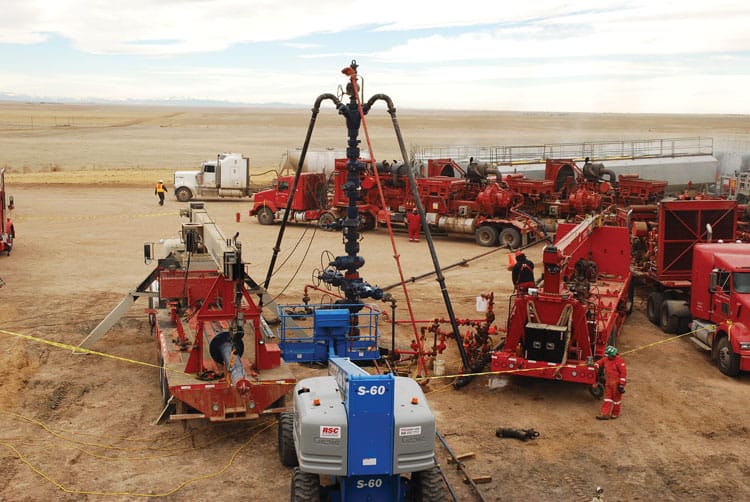
Severance has joined Evans and Keenesburg in taking advantage of Weld County’s free offer to…
-
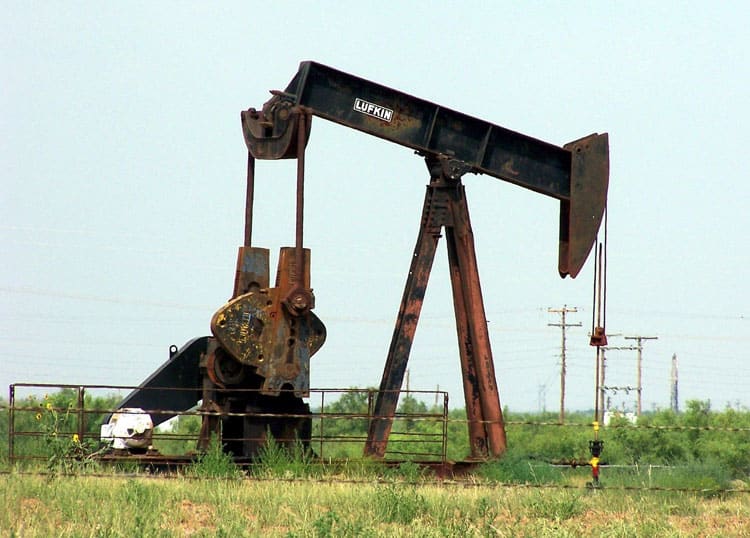
Emergency response to an April 6 incident at the Bishop Well oil and gas well…
-

A Colorado-based national oil and gas executive became the county’s next energy secretary on Monday…
