
From fiber to funding: Dan Caruso’s next frontier
Venture capitalist focuses on AI, quantum, space
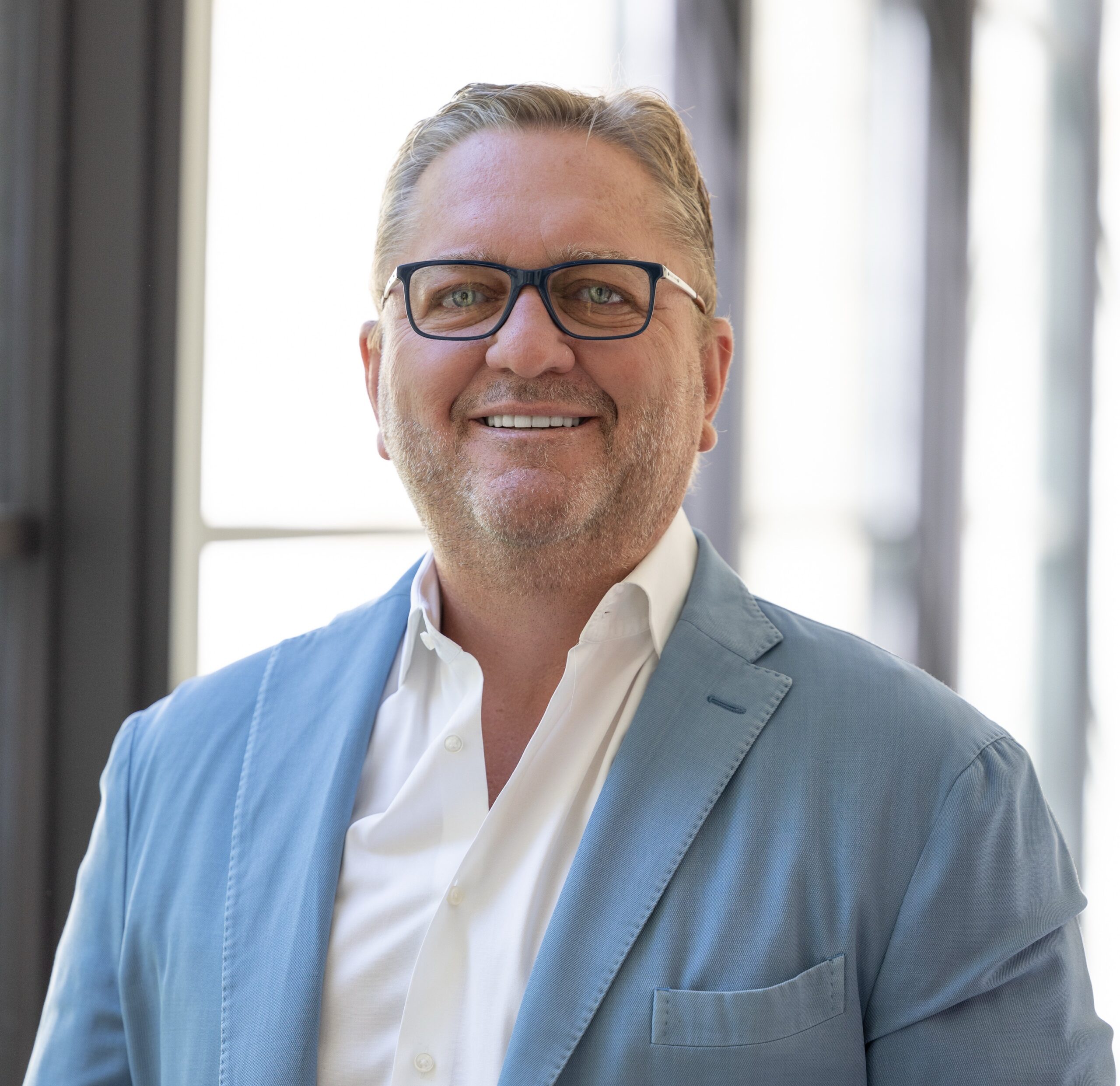
Dan Caruso considered locating in Silicon Valley, Boston or Washington, D.C., when he left WorldCom Inc. to start his own company in 1997. But he chose Colorado instead.
The move didn’t make much sense. Colorado was still known more for its ski resorts than startups. But Caruso loved the state, and so he thought that the kind of talent he wanted to hire would love it, too.
Now, his fondness for the state continues to drive his business decisions, only as a venture capitalist. In the past year, he’s focused his efforts on quantum, AI, space and digital infrastructure. He’s also funded the Roots Music Fest, a three-day music festival in Boulder, and helped bring the Sundance Film Festival to Boulder.
He’s called these efforts an investment in Colorado, but he’s not running a charity. His company, Caruso Ventures, based in Boulder, strives to be the leading venture-capital firm in Colorado. He has more competition in the state than many believe, he said: Colorado ranks as high as fifth in venture investing in the U.S.
“It’s dog eat dog,” he said. “It’s competitive. Most fail as venture capitalists. You have to develop a reputation. The trick is to have a platform so the best find you.”
But it’s also true that he also hopes his efforts make Colorado the top tech investor between the two largest areas in the U.S., the northeast and the West Coast.
The fact that part of that plan involves digital infrastructure shouldn’t be a surprise, given how Caruso was attracted to the state for its innovation in those areas, including cable TV and communications — Qwest was founded here, he reminds people — and the role Caruso played in expanding those offerings.
He came to Colorado to found Level 3 Communications, a telecommunications and Internet service provider headquartered in Broomfield, which ultimately became CenturyLink (now called Lumen Technologies). In 2007, the year the iPhone was released, he moved to Pearl Street in Boulder to help start Zayo Group, a bandwidth infrastructure company. Under his leadership, the company bought more than 30 fiber companies and expanded its fiber network to more than 82,000 miles across the U.S. and Europe.
Rather than enjoy his millions by the pool, he wrote a book, “Bandwidth: The Untold Story of Ambition, Deception and Innovation that Shaped the Internet Age and Dot-Com Boom,” and started his company.
“I was a tech entrepreneur, and I’m at a stage in my life where I don’t want to do that again,” said Caruso, 62. “I was ready to move on, but I want to be intellectually engaged.
“What I want to achieve is take what I did, and not go play golf and spend my money. I want to give something back.”
The Space-Age Economy
Caruso’s next area of interests seem to belong more in a science fiction novel than a business newspaper, but space and quantum have very real potential for massive growth in the next couple of decades, he said. People could have said the same thing about AI even five years ago, but now it’s all anyone talks about, even if all they do is use it to make cute digital pictures of their pets.
Caruso is interested in AI — he was one of the leading sponsors of the state’s DenAI summit — but he’s turned his attention more to openly criticizing Colorado’s AI law, which goes into effect June 30, 2026.
Colorado was the first state to enact a law regulating AI. The law adds guardrails in an effort to protect consumers. At the time, Polis said he signed it only because he thought legislators would make improvements before it goes into effect: Legislators have tried to work out improvements to the bill, and the law’s implementation has been delayed from its initial effective date of Feb. 1, 2026, to provide time for possible amendments.
Caruso said in the interview that he wondered what would happen if Colorado legislators years ago displayed the same fears toward the Internet that they have toward AI.
“Are you kidding me?” Caruso said. “It will hurt us for years and years and years.”
Caruso sees space as a fungible investment opportunity, and not just so rich people can travel to it in fancy luxury rockets. Colorado is one of the leading states supporting the industry, he said.
This won’t surprise anyone, but it’s still important: Communication relies on satellites. Starlink, a centerpiece of Elon Musk’s Space X company, provides high-speed Internet from satellites (and Jeff Bezos’ company, Blue Origin, has a location in Highlands Ranch). GPS systems also need satellites, and the imagery that can come from space is considered vital for giving us an eagle-eye’s view of Earth to spot, say, wildfires, topography, other threats from nature, daily weather patterns and how climate change is affecting glaciers in the poles.
Wars are fought in space, not on the ground, Caruso said, as demonstrated partly by the conflict between Ukraine and Russia, so opportunities for defense abound. There are even chances to mine materials and minerals and manufacturing in zero-gravity. And, of course, there’s always exploration, either man-powered or not.
All this, however, pales in science-fiction strangeness to quantum. Colorado leads the way, Caruso said: Of the eight Nobel Prizes given for quantum, four have come out of Boulder. Quantum offers possibilities that many haven’t even considered yet.
“The way that we humans think the world works is not how the world works,’” he said. “The way it really works is in the quantum world. It doesn’t sound right to humans. Even Einstein didn’t believe it.”
What happened in Star Trek, for instance, could eventually become real because of quantum, including teleportation.
“It’s a very real thing,” Caruso said. “You can literally make matter disappear in one spot and reappear in another.”
Caruso makes it clear that he’s not talking about teleporting humans, at least not yet. But he raves about other possibilities, including new drugs and new cyber security that could be unhackable, mainly because quantum could dismantle any cyber security we have now.
As much as Caruso touts tech, he knows humans still need to run it as well as advance it. This is partly why he funded creative efforts such as the Roots Music Fest and Sundance.
“Talented people have choices to be in a particular geography, and they need to be connected with the community,” he said. “Culture is a great way to be in the community.
“It’s not just for those people. I enjoy that stuff too. Culture creates conditions that provide opportunities for all. It’s part of what makes a vibrant economy.”
Dan Caruso considered locating in Silicon Valley, Boston or Washington, D.C., when he left WorldCom Inc. to start his own company in 1997. But he chose Colorado instead.

Related Posts
-

Halter, the New Zealand ag-tech company behind a fenceless system to help cattle ranchers manage…
-

FM Capital LLC, a venture-capital firm that invests in transportation technology companies, recently closed its…
-

Is Mustard’s Last Stand — the Boulder institution that’s been slinging Chicago-style hot dogs on…
-
Caruso Ventures, a Boulder-based venture-capital firm helmed by Zaya Group founder and former CEO Dan…
