
Sunnier conditions in the forecast after ‘Biotech Winter?’
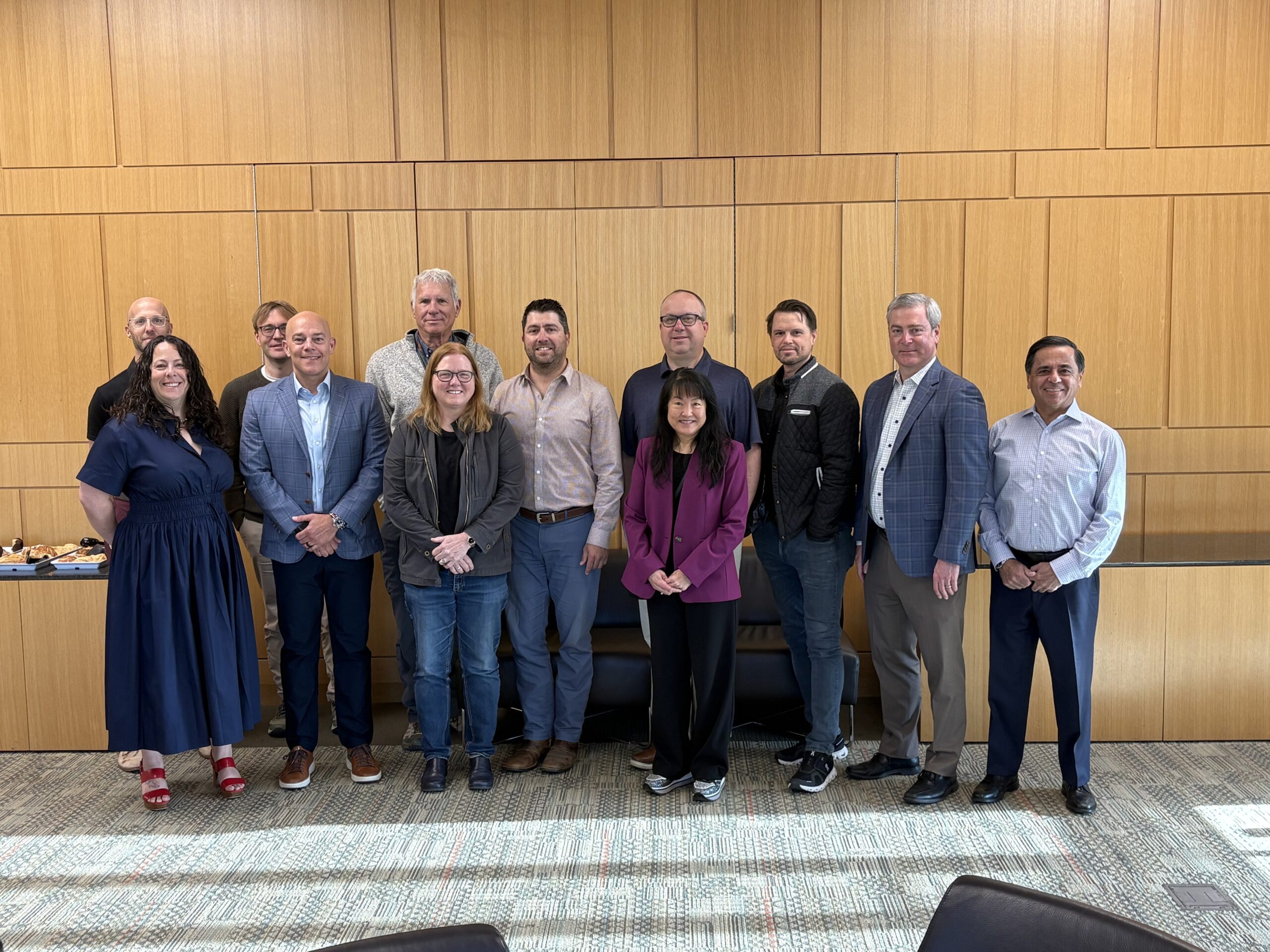
BOULDER — While the weather in Colorado has been historically warm and dry over the past few months, the “Biotech Winter” brought a confluence of chilly and soggy conditions that froze life-sciences funding and blew away jobs both locally and around the nation. But as spring turns to summer, is the sector due for a bounce back in the Boulder Valley?
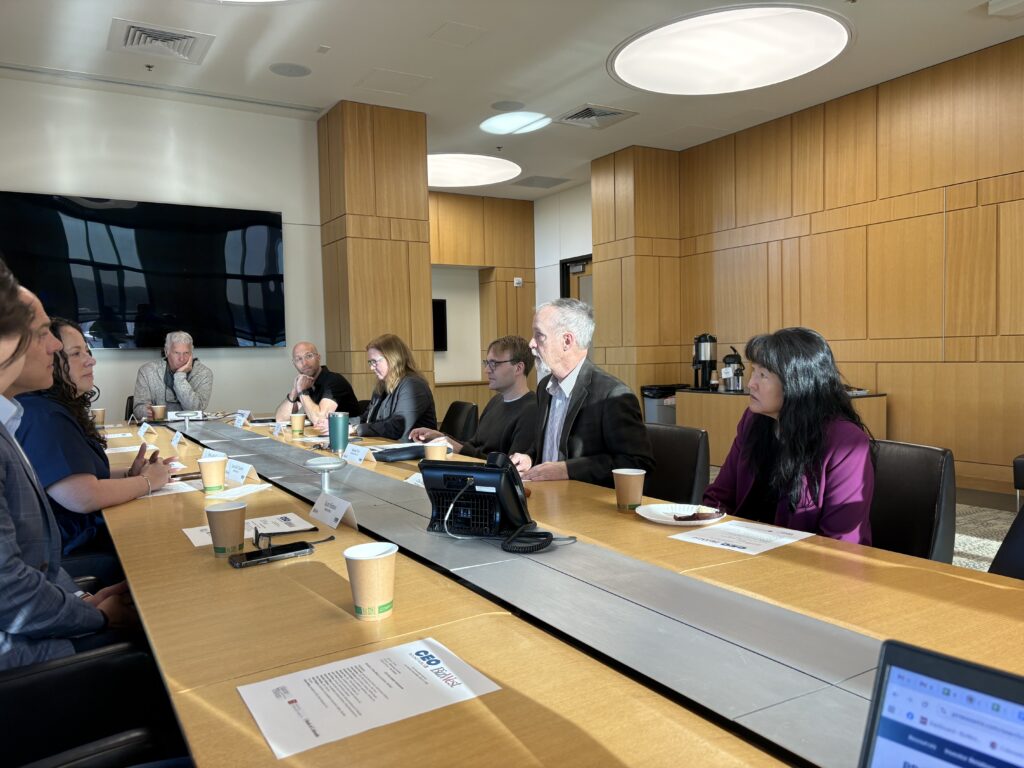
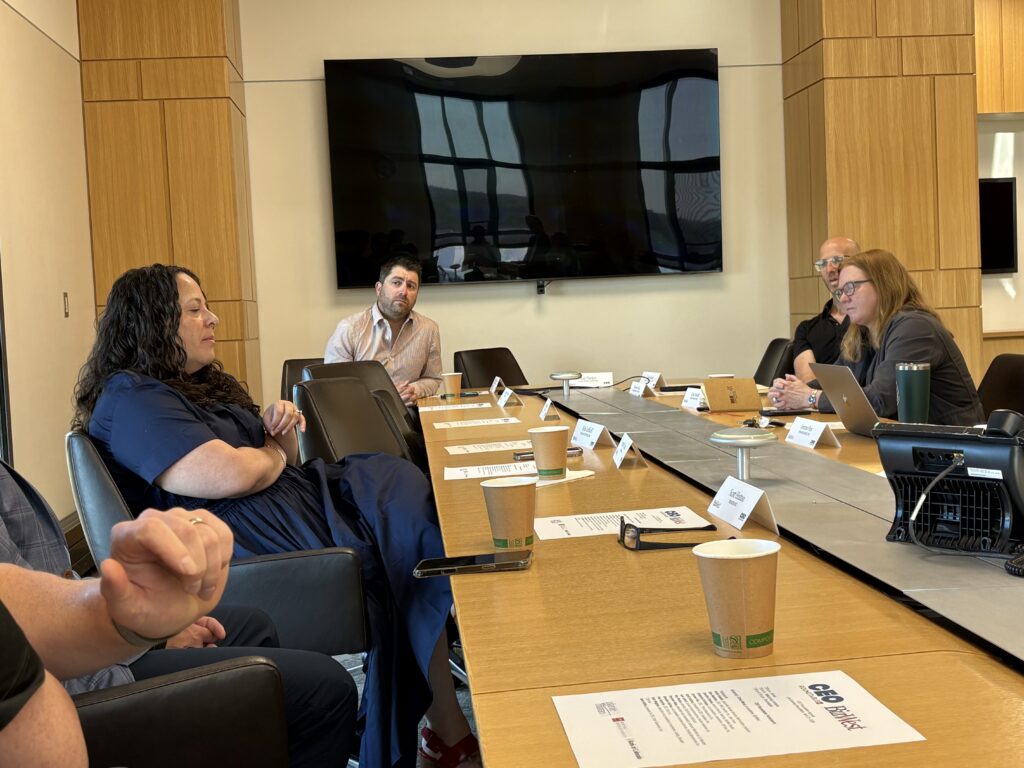
“Every year we talk about the uncertainties, whether its power (reliability) or (access to) talent or the FDA,” Biodesix Inc. CEO Scott Hutton said Tuesday during BizWest’s Life Sciences CEO Roundtable hosted by the University of Colorado Boulder’s BioFrontiers Institute.
But this year, the headwinds — an administration in Washington committed to slashing research funding, a macroeconomic environment that has investors clutching their wallets tighter, a climate experiencing an increased likelihood of wildfires and thus electricity disruptions, a sluggish labor market, a clutter of municipal red tape that threatens companies’ ability to relocate or expand — seem particularly fierce.
Still, “this is a resilient group,” Hutton said.
When funding at university and federal laboratories — beyond CU, Boulder is home to offices of National Oceanic and Atmospheric Administration, National Institute of Standards and Technology and National Center for Atmospheric Research, just to name a few — is threatened or disrupted “there is a huge ripple effect” for private ventures that spin out or are otherwise affiliated with government groups, Orbit Genomics Inc. CEO Dede Willis said.
Many of President Donald Trump’s desired research and grant funding cuts were “largely rejected by Congress,” Venture Partners at CU Boulder associate vice chancellor Brynmor Rees said. “However, the allocation of those funds is way behind historical rates.”
With increasing uncertainty in funding for early innovation, there’s also uncertainty in how and when to invest to build (startups) up” as they commercialize, Think Bioscience Inc. CEO Jerome Fox said.
Major grant issuers and investors are increasingly “milestone driven and they want to see clinical progress,” BioFrontiers associate faculty director Kristi Anseth said. “You have to show a pathway to a product.”
Applying for grants is now “more like speaking to an investor” than to an academic, Rees said.
The current economic environment is such that despite the fact that locally produced “science is really exciting, there’s a challenge in translating that into a company,” BioFrontiers Institute director Roy Parker said.
Smaller companies that are able to commercialize their research can find mutually beneficial relationships with more established players.
“We have been able to survive with minimal cutbacks, largely because we have a partnership with a big biotech company that helps keep the lights on,” Umoja Biosciences Inc. vice president Branden Salinas said.
These are issues that life-sciences companies around the country are grappling with. Meanwhile, there are some challenges that are unique or particularly acute in the Boulder Valley biotech sphere.
“From the Boulder perspective, we’ve lacked … the critical real estate infrastructure … (and labs are) very expensive to build out,” said Jennifer Chavez, senior director of leasing at BioMed Realty, which paid $625 million for about 1 million square feet of space in the Flatiron Park corporate campus. BioMed has since positioned the business park as a hub for life-sciences tenants.
Chavez emphasized the need for Boulder city officials to adopt a “common sense approach” to regulation that allows developers and landlords to construct or adapt the types of buildings that attract biotech users.
“It’s not where we’d like it to be yet, but I think we’ve made some progress” in cutting red tape, she said.
Since the 2021 Marshall Fire, Xcel Energy Inc. (Nasdaq:XEL) has been quicker to preemptively cut power to wide swaths of the Boulder Valley should weather conditions ripen for wildfires. One such outage in December 2025 resulted in negative financial impacts to businesses that averaged $25,000, according to a Boulder Chamber survey.
For biotech companies, “you’re talking about tens of thousands dollars a day” lost if power outages ruin an experiment or a manufacturing run, Hutton said.
Boulder Chamber associate vice president of economic vitality Matt Wiggins said that unfortunately “you can’t (bury power lines) in Boulder because the ground is too hard,” so “quicker and clearer communication” is necessary from the electricity utility of local governments to the region’s business community.
BizWest’s CEO Roundtables in the Boulder Valley are sponsored by Berg Hill Greenleaf Ruscitti, Plante Moran and Bank of Colorado.

Related Posts
-

BOULDER — Enliven Therapeutics Inc. (Nasdaq: ELVN), a Boulder-based oncology drug developer, has filed a…
-

Boulder-based Proov received an equity investment from Grammy-winning Nelly and Ashanti.
-

Five years to the day after taking Biodesix Inc. (Nasdaq: BDSX) public, president and CEO…
-

BROOMFIELD — Aclarion Inc. (Nasdaq: ACON) is appealing its latest delisting notice from Nasdaq. The…
