
Larimer awards $3M in grants to 43 organizations
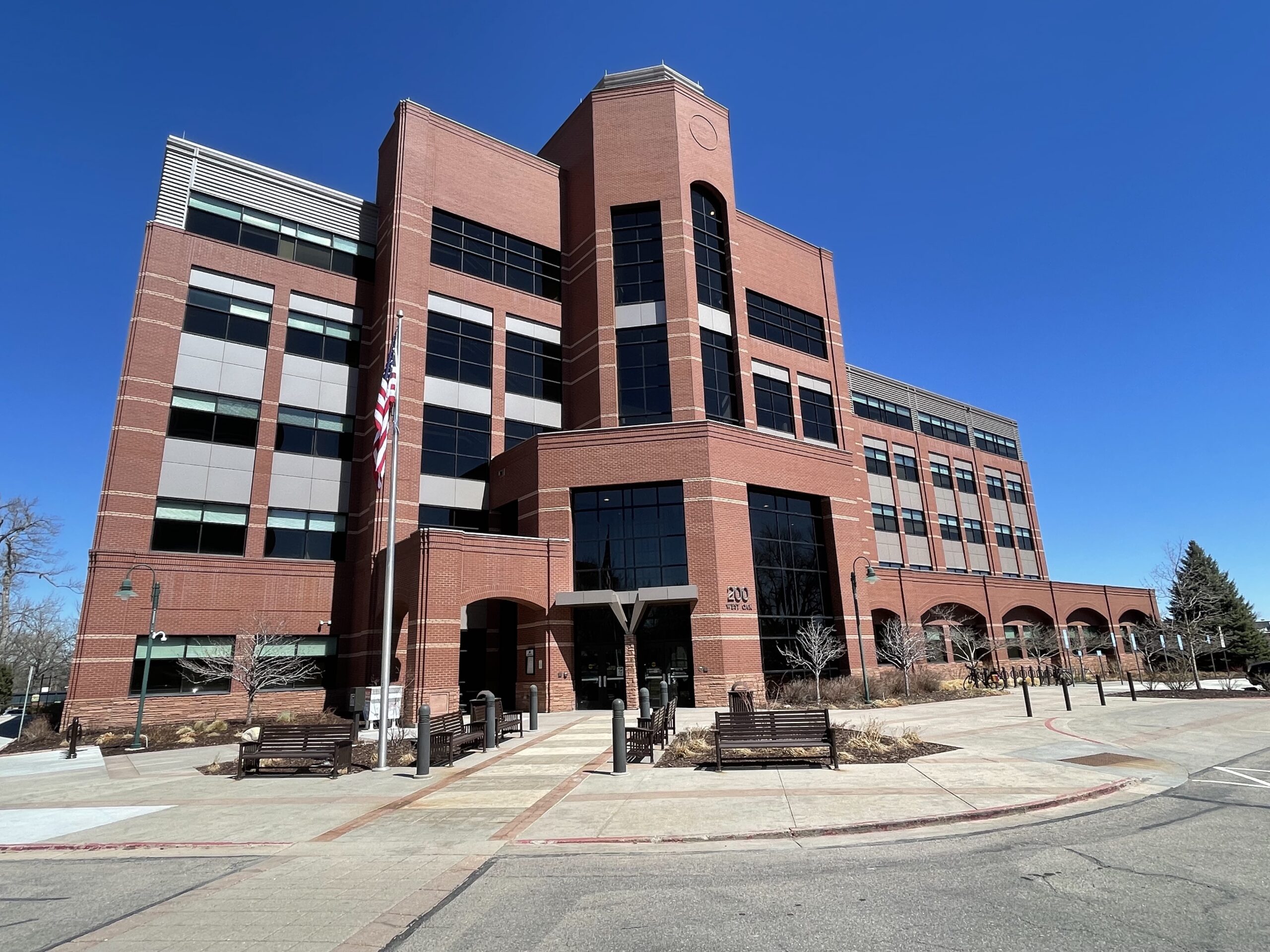
FORT COLLINS — The Larimer County Behavioral Health Services Department has awarded $3 million in grants to 43 recipients through its annual Impact Fund Grant Program.
The program — funded through a 20-year behavioral-health tax approved by voters in 2018 — has generated $20.7 million in funding to 86 organizations since 2019.
New and past Impact Fund grantees provide services to children and young adults, veterans, older adults, people who speak a primary language other than English and other groups.
Applicants can request grants of $25,000, $50,000, $75,000 or $100,000, based on eligibility.
“In this funding cycle, there was an increase in grant applications and higher funding amounts requested, reflecting the escalating demand for local behavioral-health services and changing financial landscape. In response to these growing community needs, our recommended $3 million allocation across 43 proposals directs 78% of funds toward targeted priorities — including youth services, care coordination, and criminal justice alternatives — ensuring critical resources reach the areas where they can deliver the most meaningful, systemic impact,” Deputy Administrator Jessica Plummer said in a prepared statement.
“By funding these organizations, including eight new grantees, we are fortifying our local safety net while supporting the resilience of those who provide life-changing services.”
Behavioral Health Services staff, 20 independent subject-matter experts and county leaders evaluate grant applications. An executive review team then assesses each application. The portfolio is presented to the department’s Behavioral Health Policy Council for discussion and finalization before being presented to the Board of County Commissioners. The BoCC ultimately decides who receives funding.
Recipients included:
3Hopeful Hearts: $75,000 — Funding will pay for peer stipends, youth grief programming, and staff time, which will enable the organization to deliver trauma-informed, peer-led grief support through individual listening sessions, support groups, alternative behavioral health services, grief expression workshops, and youth services. Through these efforts, 3Hopeful Hearts aims to improve the behavioral health of 200 bereaved English- and Spanish-speaking parents, grandparents, and youth in Larimer County.
8th Judicial District Attorney’s Office: $100,000 — Funding will be used to improve the behavioral health of 132 juveniles and adults who are involved in the criminal justice system in Larimer County. Juveniles must accept responsibility for what they’ve done, be willing to participate in treatment, and have family support to be in the diversion program for their offenses. The time commitment is case-dependent and ranges from six months to two years.
A Little Help: $25,000 — Funds will pay for volunteer-led social connection events, wellness education from local experts, regular trauma-informed training for staff and volunteers, and personal outreach reassurance touchpoints for older adult members. Through these efforts, A Little Help aims to reduce isolation and loneliness; deepen intergenerational engagement and connection with community members; enhance service delivery and care coordination; and strengthen collaboration with community partners in order to improve the behavioral health of 825 older adults aged 55+ in Larimer County.
Abundance Foundation: $50,000 — The organization will use funding to pay for recovery coaching,, allowing it to decrease relapse and recidivism rates by placing low-income, unhoused, and justice-impacted individuals into sober living houses, providing peer-recovery coaching, and providing opportunities for prosocial connection. Abundance aims to improve the behavioral health of 550 individuals struggling with addiction in Larimer County.
Alliance for Suicide Prevention of Larimer County: $100,000 — The Alliance aims to provide suicide-prevention training, community outreach and grief support to 12,500 Larimer County school-aged youth (ages 9-17); working adults; and staff at organizations that serve veterans, older adults, and members of the LGBTQ+ community. Once among the nation’s communities with the highest rates of suicide, Larimer County saw a reduction in the suicide rate from 2019 to 2023; there was an increase from 2024 to 2026.
Alternatives to Violence Inc.: $50,000 — Aiming to improve the behavioral health of 40 adult and adolescent victims of violent crimes in Larimer County, the organization requested $50,000 to pay for 320 professional mental-health therapy sessions and 20% of one staff member’s time to set up therapy referrals, maintain client relationships and record their progress toward self-sufficiency. Each individual will receive up to eight therapy sessions and support.
Aspire: $50,000 — Aspire requested $50,000 to pay for one resident service coordinator, who will provide resource navigation and care coordination for 35 older adults, veterans, and veteran family members living in Loveland Housing Authority communities and LHA-managed Housing Choice Voucher households in Larimer County.
Bloom Counseling & Nutrition: $50,000 — The grant funds will pay for free or sliding-fee individual and group therapy services, enabling the organization to increase eating-disorder treatment accessibility and outcomes for clients. The organization aims to improve the behavioral health of 55 low-income residents — specifically adolescents — in Larimer County.
Boys & Girls Clubs of Larimer County: $100,000 — The organization aims to offer 380 one-on-one counseling sessions and 240 social-emotional learning groups, over 12 months across five club sites, to 150 unduplicated Larimer County youth. By offering free behavioral-health services at its clubs, BGCLC is uniquely able to reach youth who may not have otherwise sought services due to challenges such as finances or transportation.
CASA of Larimer County: $75,000 — Funds will pay for staff salaries, which allows CASA to expand the accessibility and availability of individual Trust-Based Relational Intervention coaching, TBRI training, and wraparound support, such as peer Connection Groups. Through these efforts, the organization aims to improve the behavioral health of 375 children, parents, and caregivers who are child-welfare-involved or at risk of becoming system-involved in Larimer County.
ChildSafe Colorado: $50,000 — Grant funding will pay for salaries for therapists providing trauma-informed behavioral health services to low-income children and families in its Child Abuse Treatment Program. The organization says this will allow it to sustain access to developmentally appropriate and evidence-based treatment, sustain clinical capacity, and reduce financial barriers to care in order to improve the behavioral health of 432 low-income survivors of childhood abuse and their non-offending caregivers in Larimer County.
Colorado Artists in Recovery: $75,000 — Funds will pay for the continuation of existing, recovery-oriented arts programming that supports personnel, contracted facilitators, and direct programmatic costs associated with the development and implementation of recovery friendly workshops. The organization aims to improve the behavioral health of 1,200 adults in recovery with a specific focus on the LGBTQ+ community and individuals in rural communities in Larimer County.
Colorado State University Campus Connections: $50,000 — Campus Connections’ Therapeutic Youth Mentoring program provides early identification, prevention, and treatment of mental and behavioral health challenges through mentoring. In 2026-27, undergraduate student mentors will be paired with 100 youth, who are between the ages of 10 and 18, who have experienced adverse childhood experiences and are primarily from disadvantaged backgrounds in Larimer County. They work together on socio-emotional skill development, academics, and prosocial activities. Family therapy graduate students also provide integrated therapy to youth mentees and families. Grant funds will be used for staffing, including for support of a Spanish-speaking assistant case manager.
Crossroads Assistance Ministry: $100,000 — To improve the behavioral health of 120 rural Estes Park community members in Larimer County, the organization will use funds to pay for in-house mental-health counseling services. Funding will allow Crossroads Assistance Ministry to provide mental-health services at the location where businesses, government entities and community partners refer people who are experiencing a mental-health crisis.
Crossroads Safehouse & Services: $75,000 — Crossroads provides therapeutic support for staff, tying into Behavioral Health Services’ focus on strengthening the behavioral health workforce in Larimer County. Funding also goes to survivor support groups and the Time to Talk program, a violence prevention course for teenagers and families that focuses on healthy dating relationships and recognizing the red flags of dating violence. Through these efforts, Crossroads aims to improve the behavioral health of 1,600 survivors of domestic violence, agency staff, and Larimer County youth.
Denver Rescue Mission — Fort Collins Rescue Mission: $50,000 — Funds will be used to pay partial salaries and fringe benefits for two licensed and credentialed clinicians at the under-construction Housing Resource Center in Fort Collins. The funding will allow FCRM to provide behavioral-health and substance-use care to men in its recovery program, and improve the behavioral health of 100 men experiencing homelessness, with little or no income and who are facing substance-use disorders and/or have mental illness in Larimer County.
Estes Valley Investment in Childhood Success (EVICS) Family Resource Center: $75,000 — Funding will pay for contracted, licensed behavioral-health counseling services in Spanish and English, enabling EVICS to provide weekly, culturally responsive counseling through licensed therapists and that is integrated with peer support and family support services. The organization aims to improve the behavioral health of 100 rural children, youth, adults, and families facing barriers to behavioral health services in the Estes Valley in Larimer County.
Family Housing Network of Fort Collins: $50,000 — Funding will pay for staff training in behavioral health support; case management staff to provide care coordination; warm referral and follow-up services; and systems navigation. Through these efforts and resources, the organization aims to help families address behavioral health challenges that affect housing stability, thereby improving the behavioral health of 40 families with children experiencing homelessness in Larimer County.
First Peoples Community Center: $50,000 — Grant funding will pay for personnel, software integration, training, travel and cultural education program costs, enabling the organization to hire a case manager, install needed systems, obtain Indian Child Welfare Act advocate certification, travel throughout Larimer County, and create educational family-wellness events. FPCC aims to improve the behavioral health of 75 self-identifying American Indian/Alaskan Native people, across varying tribal affiliations and age groups in Larimer County.
Forging Youth Resilience Mindset Reps: $25,000 — Funds will pay for contracted, fitness-based mental-health programming, participant supplies, professional development, leadership camp opportunities, and scholarship access. This will allow Mindset Reps to deliver evidence-informed, movement-based behavioral health group sessions at multiple Larimer County sites in order to improve the behavioral health of 50 underserved youth in the community in Larimer County.
Healing Warriors Program: $75,000 — Healing Warriors aims to provide health treatment and suicide-prevention services to 325 Larimer County veterans, active-duty military members, and their family members. Grant funding allows the organization to provide no-cost acupuncture, craniosacral, and healing touch therapies, as well as case management services. HWP envisions a suicide-free world where all veterans and their families thrive. The organization will also now provide these services to 25 first responders and work with emergency services agencies to provide ongoing services; this expansion is made possible by a $25,000 increase in funding this year versus the last.
Hearts & Horses: $50,000 — Hearts & Horses will use funding to pay for equine-assisted learning for 32 middle school students in Thompson School District who face substantial adversity, such as poverty, discrimination, trauma, homelessness, or neglect. Each participant is paired with a horse, as well as a dedicated team of instructors and volunteers who have been specifically trained to work with adolescents who have experienced trauma.
Homeward Alliance: $75,000 — Funds will pay for a coordinated, systemwide training initiative that equips frontline homelessness-response staff with skills in trauma-informed care, motivational interviewing, de-escalation, and behavioral health engagement. This will allow the organization to build a consistent, behavioral-health-responsive standard of care across more than 20 Larimer County-based Continuum of Care partner agencies in order to improve the behavioral health of 5,865 individuals who access the homelessness response system each year in Larimer County.
Housing Catalyst: $100,000 — The organization’s Impact Fund grant pays for a behavioral-health clinician to provide therapeutic services for residents living in Permanent Supportive Housing. The clinician supports the stability and behavioral health of 120 residents who were formerly homeless by providing crisis intervention, individual and group therapy, case management, and coordinating aftercare with medical providers.
Inner Shell Therapy: $50,000 — The organization aims to improve the behavioral health of 45 pregnant and postpartum women and families in Larimer County through individual prenatal and postpartum support and psychoeducation. The organization will host 36 group sessions and 21 consultant presentations; 210 individual sessions will be coordinated to promote access to care in one setting and remove barriers, including for those who are underinsured or uninsured.
La Cocina: $75,000 — La Cocina aims to improve the behavioral health of 60 Latine, Spanish-speaking children, caregivers, and families who are uninsured, and the staff at local organizations that serve them. Funds will pay for bilingual clinical staff time, assessments, training, and in-home Spanish-speaking mental-health care.
LuneAseas: $25,000 — LuneAseas is an arts-based wellness and recovery program serving Larimer County residents through partnerships with the Abundance Foundation and the Larimer County Jail. The organization will use funds to deliver six, six-week Troupe Therapy cohorts in Larimer County, including three cohorts at the Abundance Foundation and three cohorts at the Larimer County Jail. These efforts will improve the behavioral health of 72 Larimer County adults navigating mental-health challenges, substance-use recovery, poverty, housing instability, incarceration, reentry, grief, social isolation, and major life transitions.
NoCo Kids Thrive (formerly Early Childhood Council of Larimer County): $150,000 — Funds will be used to connect with 1,750 Larimer County families, providers, staff at agencies that serve adults, and Colorado State University social work students through the Early Childhood Mental Health Program Fellowship Program. The cross-sector program includes group therapy sessions for caregivers with young children; workforce training in early childhood mental health; and a unique fellowship program as part of which students agree to work in Larimer County.
North Colorado Health Alliance: $100,000 — Funds will pay for care coordinators and a lead care coordinator, corresponding professional development, mileage, equipment and program supplies, as well as program evaluation by the University of Denver’s Butler Institute. This will enable the organization to provide community-based care coordination and peer support services designed to meet members “where they are.” By assisting with treatment access, reducing barriers to recovery, and providing access to behavioral health, NCHA aims to improve the behavioral health of 300 individuals with substance-use needs and criminal justice involvement in Larimer County.
Northern Colorado Health Network: $50,000 — The organization will use grant funding to pay for two current behavioral-health clinicians. Through these positions, NCHN aims to provide behavioral-health counseling and interventions, linkage to care and care coordination to improve the behavioral health of 20 people living with HIV and people who use drugs in Larimer County.
Outreach Fort Collins: $75,000 — Grant funding will pay for staff time and training to continue a street-based access point to behavioral-health services and follow-up service coordination. This will allow the organization to deepen its team’s behavioral-health expertise and strengthen strategies in order to improve the behavioral health of 125 individuals experiencing homelessness in Larimer County.
Partners: $100,000 — Partners aims to provide community- and school-based mentoring, as well as prevention education services to 770 Larimer County youth (ages 7-17), who face significant mental-health, substance-use, abuse and academic challenges. This project focuses on youth in Fort Collins, Loveland, and Estes Park. Programming serves some of the most vulnerable members of the community; many youth have experienced increased social isolation, a lack of safe and supportive spaces, and depression and other behavioral health challenges. The organization will also use funding to pay for prevention education services in schools.
Polaris Partners Counseling and Consulting: $50,000 — The organization aims to improve the behavioral health of 15 youth per month who are experiencing high-acuity mental-health needs, co-occurring disorders, or system involvement; are at risk of out-of-home placement; or are unable to access intensive treatment despite demonstrated need in Larimer County. Funding will pay for intensive in-home therapy services and access to specialized treatment for complex and high-acuity mental-health needs.
Rocky Mountain Equality: $50,000 — The organization aims to provide and put on culturally competent behavioral-health services, events, and activities for 220 LGBTQ+ people in Larimer County. It will create low or no barriers to entry through peer-led interventions, basic needs funding, resource navigation, referrals, and outreach. The funds will pay for behavioral health programming and basic needs assistance to support and improve all health outcomes for these individuals.
Rural Alternative for Transportation: $25,000 — To connect older adults to social, cultural, and recreational destinations that support independence, community belonging, and mental well-being, the organization will use funding to pay for 168 round trips over 12 months (up to 14 participants per trip) to destinations including the Chilson Recreation Center in Loveland, movies, museums, and local attractions. Through these efforts, RAFT aims to improve the behavioral health of 60 residents, ages 50 and older, and adults with disabilities living in the Berthoud Fire Protection District in Larimer County.
SAVA Center: $50,000 — Funding will pay for a portion of personnel costs for SAVA’s Prevention & Education Program manager, Speak Up! coordinator, SART peers coordinator, Advocacy & Outreach Services manager, Bilingual Services manager, and volunteer coordinator. This will allow SAVA to expand sexual-violence prevention programs in middle and high schools across Larimer County and bolster 24-hour intervention services available for youth disclosing sexual violence, thereby improving the behavioral health of 1,730 youth in Larimer County.
The Center for Family Outreach: $100,000 — The organization aims to engage 140 underserved youth (ages 11-18) and families in Larimer County in mental-health and substance-use classes, leadership workshops, prevention services, and case management. Funds will also be used for personnel costs and data collection and outcome measurement.
The Family Center/La Familia: $100,000 — La Familia aims to support 120 Latinx/Hispanic families in Larimer County through multiple Mental Health First Aid trainings, youth-parent workshops and wellness series, as well as through connections to behavioral health services and coordination of onsite occupational therapy services for children. All of this is part of the Puentes Hacia Mentes Sanas Project, or Bridges to Healthy Minds in English. The organization intentionally employs bilingual and bicultural employees to ensure programming is developed through the lens of the population staff work with.
The Jacob Center: $100,000 — Grant funds will pay for therapists, clinical director support, evidence-based training and supplies. This will enable the center to expand specialized trauma therapy services and, thereby, improve the behavioral health of 150 unduplicated youth and family clients in Larimer County. The Jacob Center is a resilience-focused program for Northern Colorado children and teens.
The Matthews House: $100,000 — The Matthews House aims to help 140 parents involved in the criminal-justice system in Larimer County to build resilience and parenting skills through its Parent Cafés. Participants have safe spaces to connect with other justice-involved parents and peers who understand their experiences, including isolation or stigmatization due to incarceration.
The YAY Foundation: $50,000 — Grant funding will pay for workshops, open mics, community showcases in Loveland, and a produced monthly comedy series in Estes Park — covering facilitation, travel, talent, venue, outreach, and administration. This will enable the organization to deliver trauma-informed comedy and storytelling programming, thereby connecting underserved Larimer County residents to behavioral health resources through live performance, peer support, and on-site resource fairs. We aim to improve the behavioral health of 400 LGBTQ+ individuals, people of color, individuals in recovery and reentry, migrant workers, and rural residents facing barriers to traditional behavioral health care across Loveland and Estes Park.
Turning Point Center for Youth & Family Development: $75,000 — Funding will go toward four Master’s-level clinicians, clinical supervision, professional parent education support, and client incentives and mileage support to provide weekly parenting and behavioral health skill development support. The organization aims to improve the behavioral health of 200 Larimer County Community Corrections Intensive Residential Treatment Program clients in Larimer County, as they transition back into the community and reunify with their families.
Yarrow Collective: Peers of Larimer: $100,000 — Yarrow Collective aims to provide care for 500 Larimer County adults and teens through non-clinical peer support groups, one-on-one peer support, and other educational opportunities. Peers support BIPOC, Trans and Nonbinary, chronically ill, disabled community members, and members of other underserved populations who are struggling with unmet mental-health or substance-use needs. These individuals may struggle with suicidality or other mental-health challenges, and they may be unable or apprehensive to seek traditional behavioral health care services.
The Larimer County Behavioral Health Services Department has awarded $3 million in grants to 43 recipients through its annual Impact Fund Grant Program.
Related Posts
-

Larimer County Behavioral Health Services has opened the application period for the 2024 Impact Fund…
-

Colorado’s seasonally adjusted unemployment rate was flat at 3.9% from March to April, according to…
-
Larimer County commissioners have unanimously approved a revised service plan for operations of Estes Park…
-
In the Boulder Valley and Northern Colorado, Larimer County posted the healthiest unadjusted February jobless…
