
Economic Forum: Colorado economy will continue to grow, but slowly
GREELEY — Colorado’s economy should continue to grow in the second half of 2026, but the rate of growth likely will slow, with several headwinds facing the state’s economy.
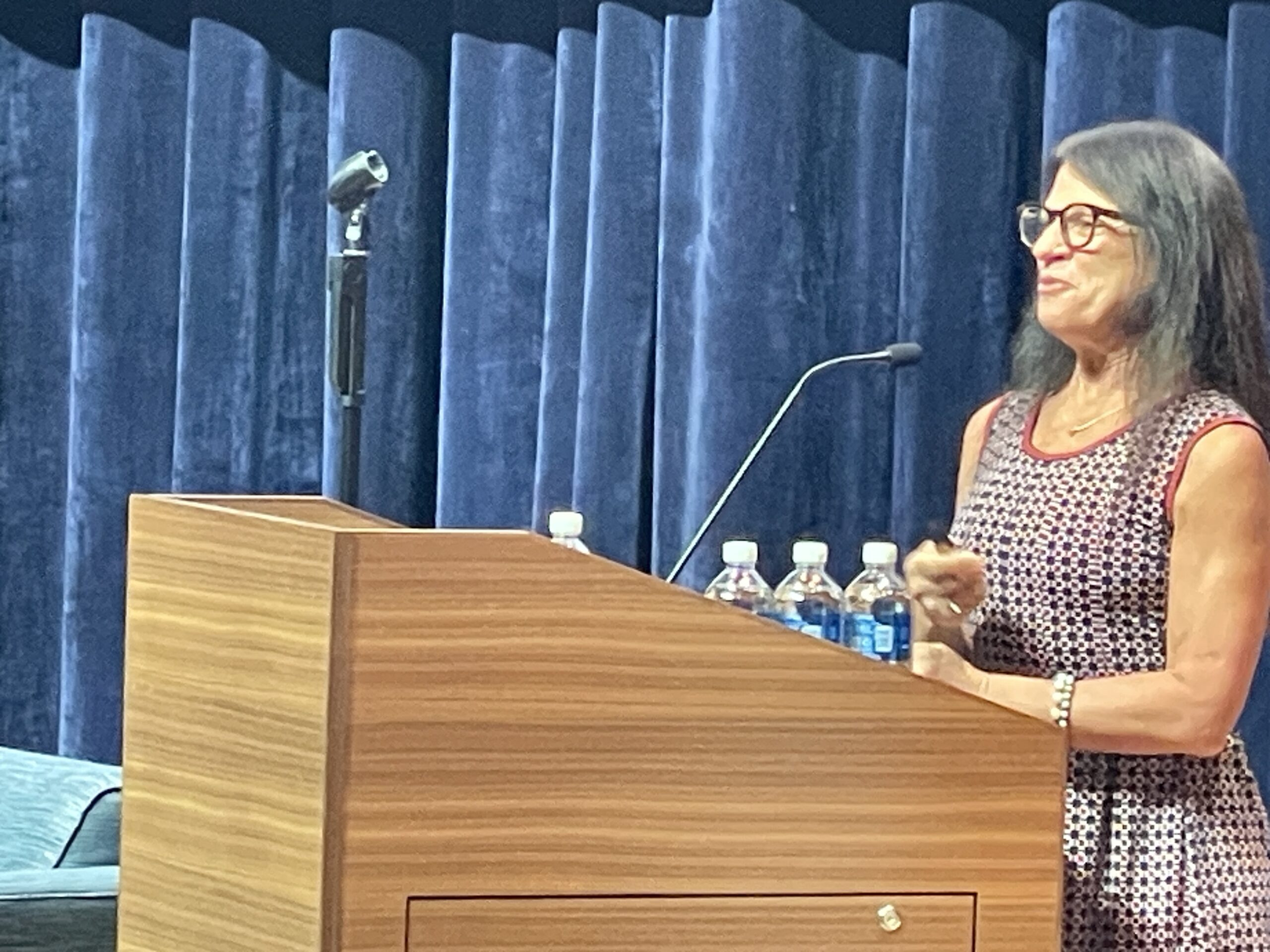
That was the message from Phyllis Resnick, executive director of the Colorado Future Center, speaking at BizWest’s inaugural Northern Colorado Mid-Year Economic Forum at the University of Northern Colorado in Greeley.
The Colorado Futures Center — a nonprofit research organization affiliated with Colorado State University — produces the ColoradoCast, a short-term, six-month economic forecast model for the state.
“My guess is that we continue to see positive growth in Colorado, but at a slightly lower rate … but not turning negative,” Resnick said. “We’re not seeing any recession or any sort of catastrophe happening in the economy. But we’re seeing things that sort of suggest some risk.”
Resnick said risks for the economy include the employment sector, which is showing anemic growth or actual declines for many areas, except for healthcare and social assistance, which drove 86.8% of Colorado’s employment growth during the first half of the year.
In 12 of the past 18 months, the increase in healthcare and social-assistance jobs was greater than the total increase in jobs, meaning that without that sector, Colorado would have lost jobs.
“I don’t think in all my years of being an economist that I’ve seen so much concentration of employment happening in one sector,” Resnick said.
Colorado “job quits” — the number of employees who voluntarily leave their positions — has declined to roughly the U.S. level, a warning sign, as that could indicate lack of confidence that they could find other gainful employment, Resnick said.
Consumer sentiment, measured by the University of Michigan, has been extremely low, Resnick noted, even as consumer debt has increased.
Despite those trends, retail sales have been fairly stable, but with anemic growth in Colorado. Retail sales data are not adjusted for inflation, meaning that much of the increases in statewide retail sales can be attributed to inflation.
Resnick also pointed to lower passenger traffic numbers at Denver International Airport as something that should be monitored.
Additionally, home prices in Colorado have begun to decline.
“We are seeing a very minor correction in housing prices in Colorado over the last at least six months,” Resnick said.
But that decline has not been enough to meaningfully affect the affordability crisis in Colorado, but also not enough to cause panic among homeowners concerned about their home values.
Colorado’s economy should continue to grow in the second half of 2026, but the rate of growth likely will slow, with several headwinds facing the state’s economy.

Related Posts
-

Colorado’s seasonally adjusted unemployment rate dropped three-tenths of a percentage point in August to 4.2%,…
-
Colorado’s seasonally adjusted unemployment rate was flat at 3.9% from April to May
-

General-admission pricing ends Thursday, Jan. 9, for BizWest’s 2025 Northern Colorado Economic Forecast, to be…
-
Colorado’s seasonally adjusted unemployment rate was flat at 3.9% from February to March, according to…
