
Colorado biz leaders slightly more confident in economy
Pessimism still abounds, CU report finds
BOULDER — Colorado business leaders have a slightly rosier outlook on the economy heading into the third quarter, but a recent survey by University of Colorado economists found that concerns over cost pressures — specifically interest rates and inflation — and geopolitical instability remain acute.
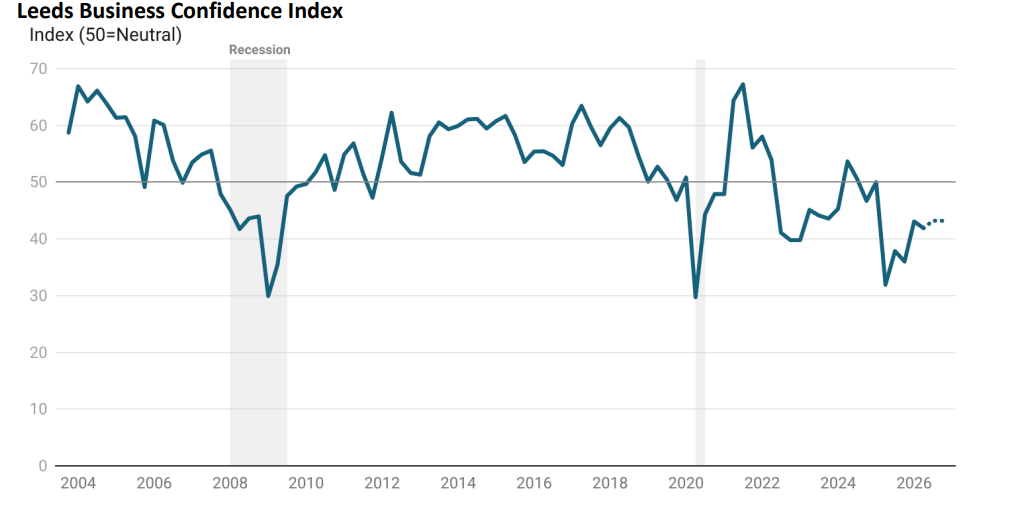
The University of Colorado’s Leeds Business Confidence Index (LBCI) — which measured the sentiment of 214 survey respondents in June on six categories: the state economy, national economy, industry sales, industry profits and industry hiring — rose from 41.9 in the second quarter of the year to 43.2 ahead of the third quarter. An index score of 50 is neutral — a score below 50 suggests pessimism.
“Sentiment still does remain subdued across the board,” CU Business Research Division executive director Brian Lewandowski said, “but it’s getting modestly better.”
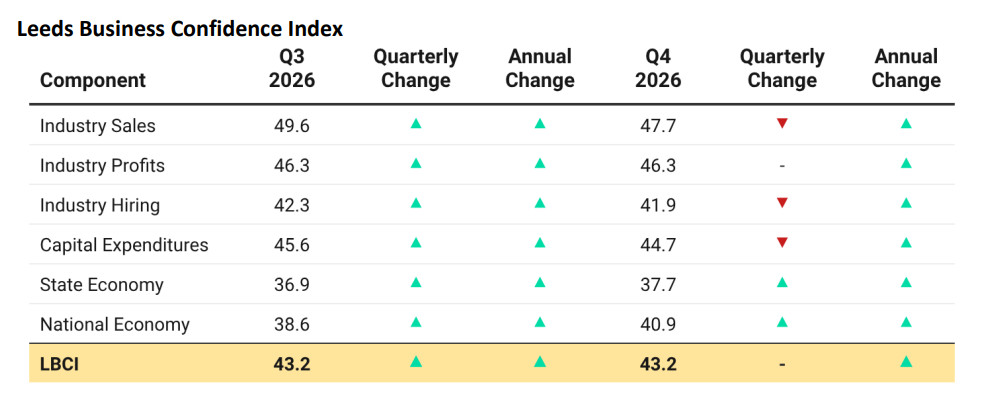
Despite the overall gloom, each category in the index showed improvement from the second quarter. Still, all six areas were below the 50-point neutrality threshold, which reflects “continued cautious expectations among Colorado business leaders,” the LBCI report noted.
“Respondents most frequently cited inflation, interest rates and general cost pressures (35%), political and policy instability (34%), and geopolitical events and global conflict (23%) as the primary reasons influencing their outlook,” according to the LBCI report. “Nearly two-thirds of respondents (63%) said the balance of risks to their 2026 outlook remains tilted to the downside.”
Many of the survey respondents perceive that state and local regulations — tax rates, construction permits and environmental protections were cited specifically — are more burdensome for Colorado businesses compared to other states in the region, Lewandowski said.
“Recent economic indicators present a mixed picture,” according to the report. “Inflation in the Denver-Aurora-Centennial region increased 5% year over year in May, outpacing the national rate of 4.2%. Colorado employment remained nearly flat over the same period, while the state’s real GDP grew at an annualized rate of 1.4% in the first quarter of 2026.”
Looking ahead to the fourth quarter, the overall LBCI score is 43.2, unchanged from the third quarter but with a different mix of individual category scores.
Colorado business leaders have a slightly rosier outlook on the economy heading into the third quarter, but a recent survey by University of Colorado economists found that concerns over cost pressures — specifically interest rates and inflation — and geopolitical instability remain acute.

Related Posts
-

Colorado’s seasonally adjusted unemployment rate was flat at 3.9% from February to March, according to…
-
Colorado’s seasonally adjusted unemployment rate dropped three-tenths of a percentage point in August to 4.2%,…
-
Colorado’s seasonally adjusted unemployment rate was flat at 3.9% from April to May
-

Colorado’s seasonally adjusted unemployment rate increased slightly in January to 3.4%, up from 3.3% in…
